Among ancient Egypt’s stylized art, the startlingly realistic Bust of Prince Ankhhaf stands apart — a powerful, intimate portrait of the man who helped build the Great Pyramid.
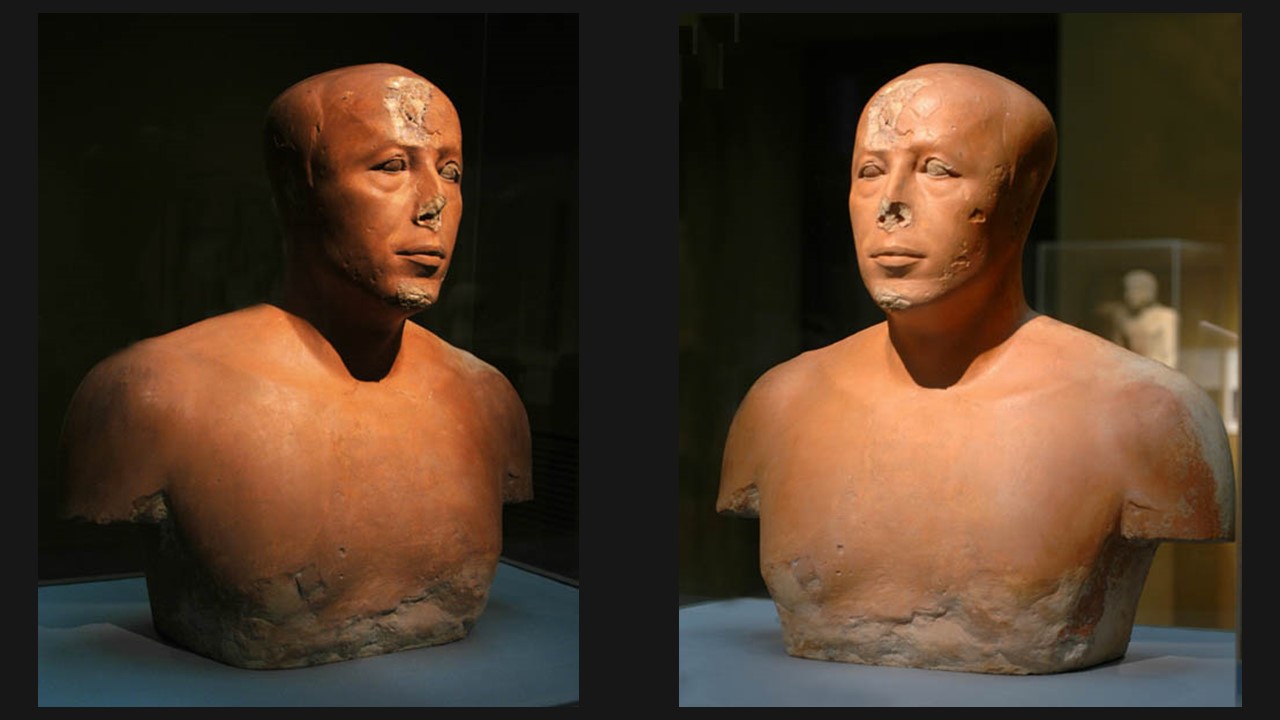
Among ancient Egypt’s stylized art, the startlingly realistic Bust of Prince Ankhhaf stands apart — a powerful, intimate portrait of the man who helped build the Great Pyramid.
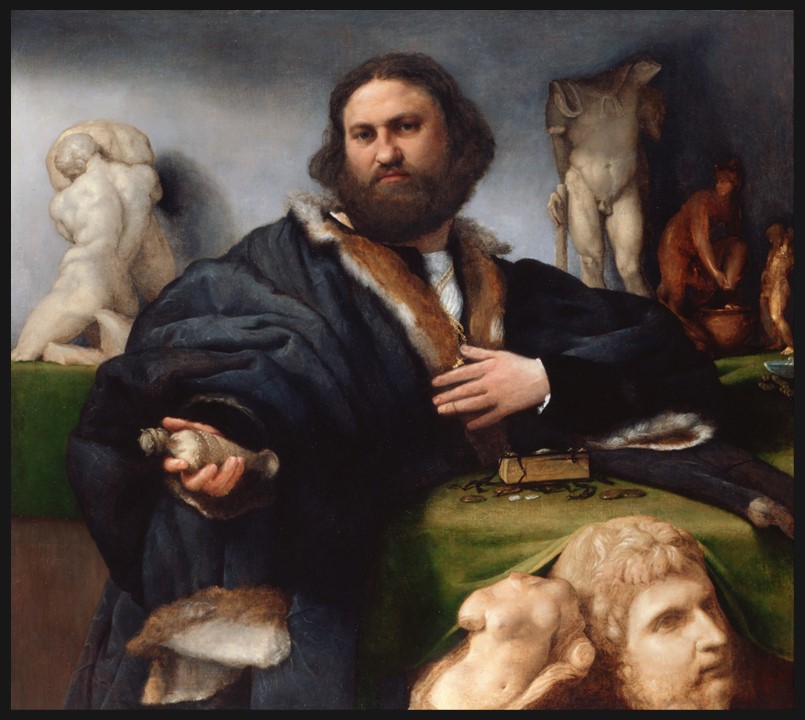
Lotto’s Portrait of Andrea Odoni captures one hand clasping pagan Diana, the other a cross — a Renaissance soul beautifully torn between antiquity and faith.
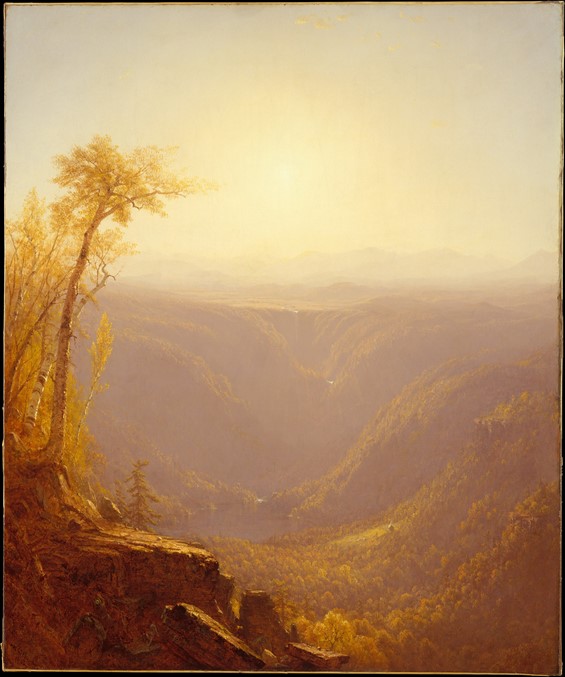
Gifford’s luminous Kauterskill Clove captures autumn’s fleeting, misty grandeur — golden light filtering through the Catskills, where a lone hunter and his dog contemplate nature’s sublime silence.
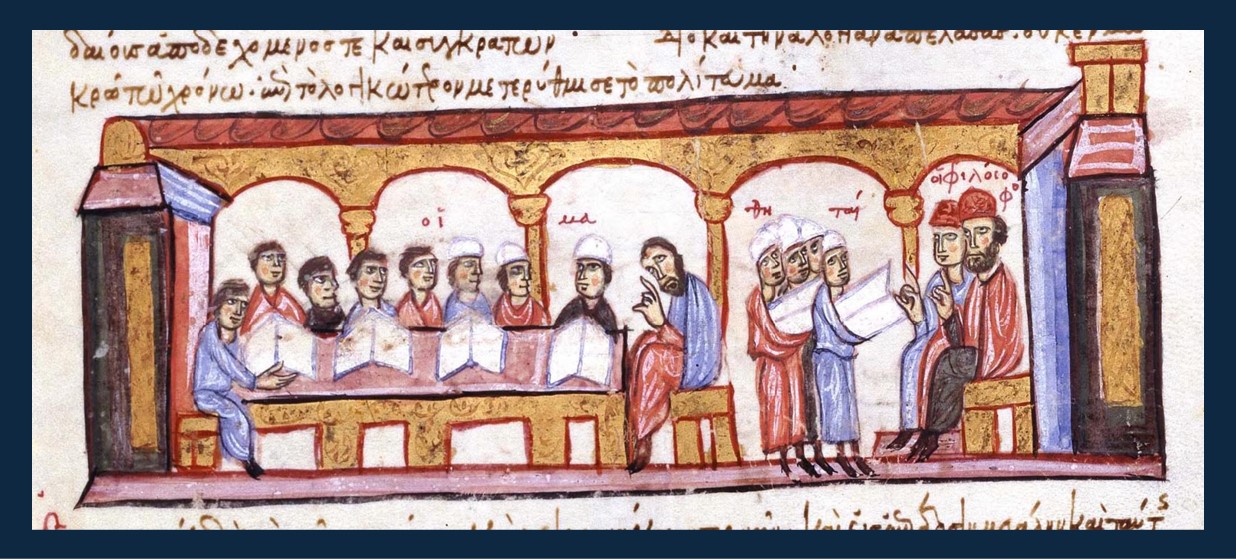
A vivid Madrid Skylitzes miniature transports us to a Byzantine classroom — attentive students, gesturing teachers, and a thousand-year-old commitment to philosophy, geometry, and intellectual life.
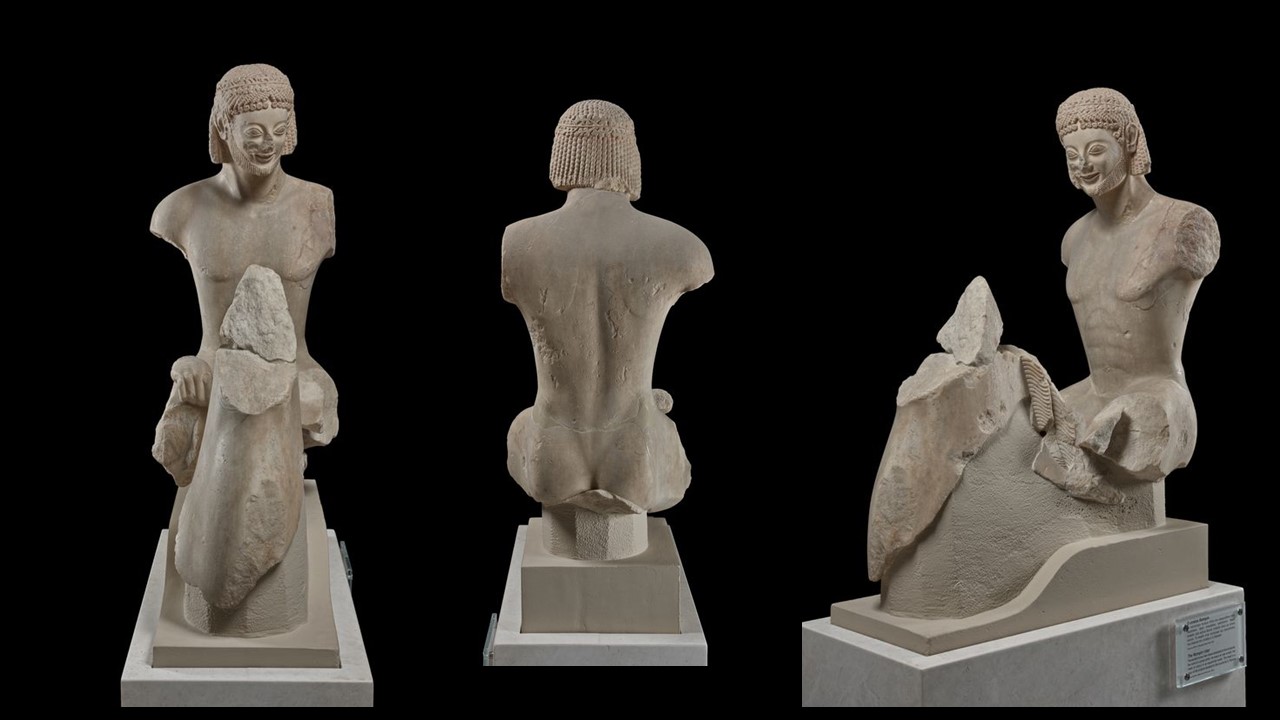
The Rampin Rider — Athens’ oldest equestrian statue, his archaic smile split between the Louvre and the Acropolis Museum — eternally celebrates aristocratic victory, youth, and athletic glory.
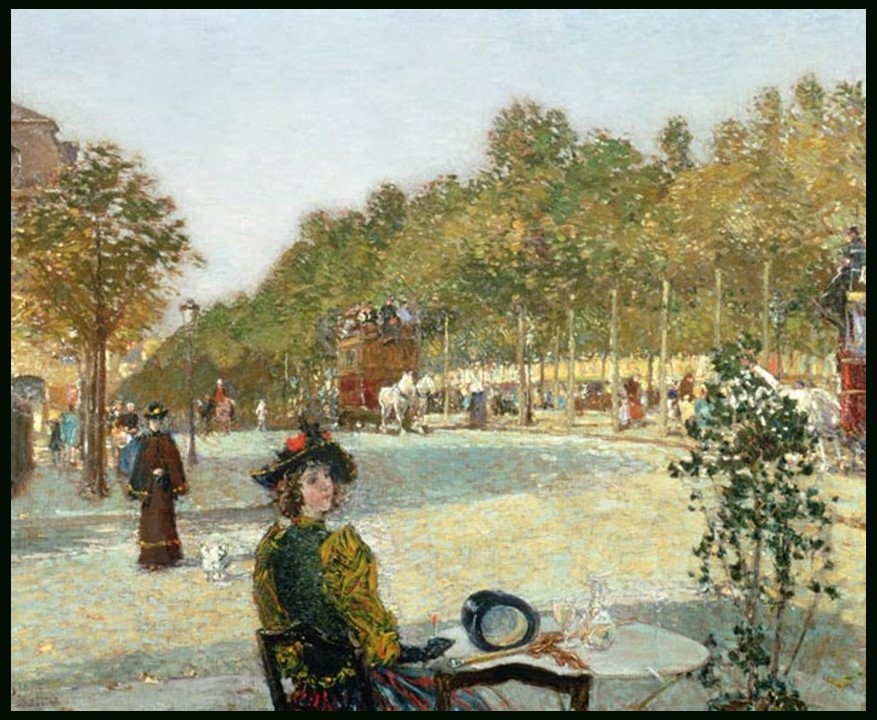
Hassam’s September Sunlight bathes Parisian boulevards in golden Impressionist light — elegant, fleeting, alive — echoing Helen Hunt Jackson’s unforgettable September secret with brushstroke and luminous colour.
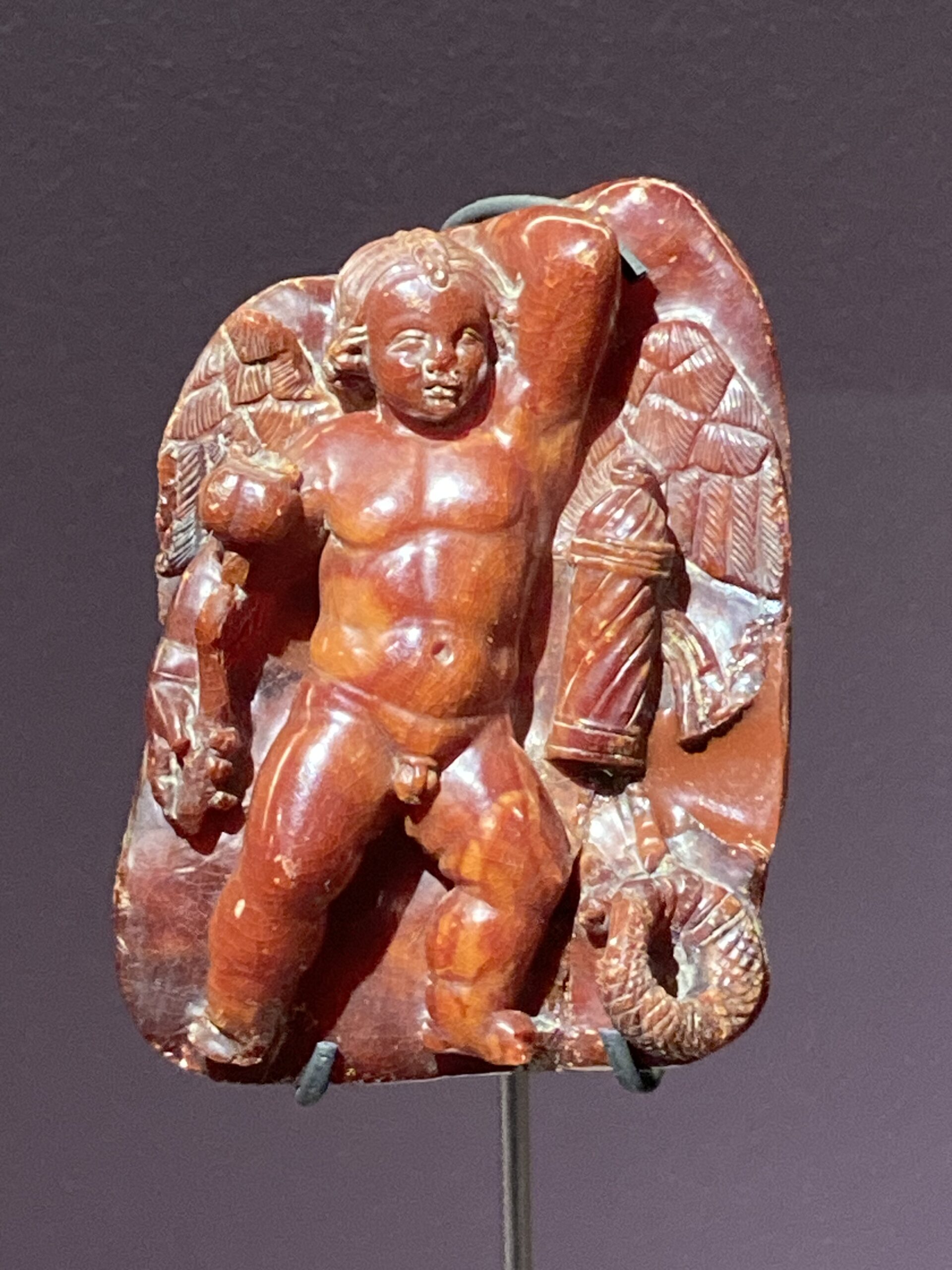
In amber’s golden warmth, a sleeping Eros finally rests — the unruly god of love momentarily stilled, clutching a poppy, in this exquisite Roman treasure from Trieste.
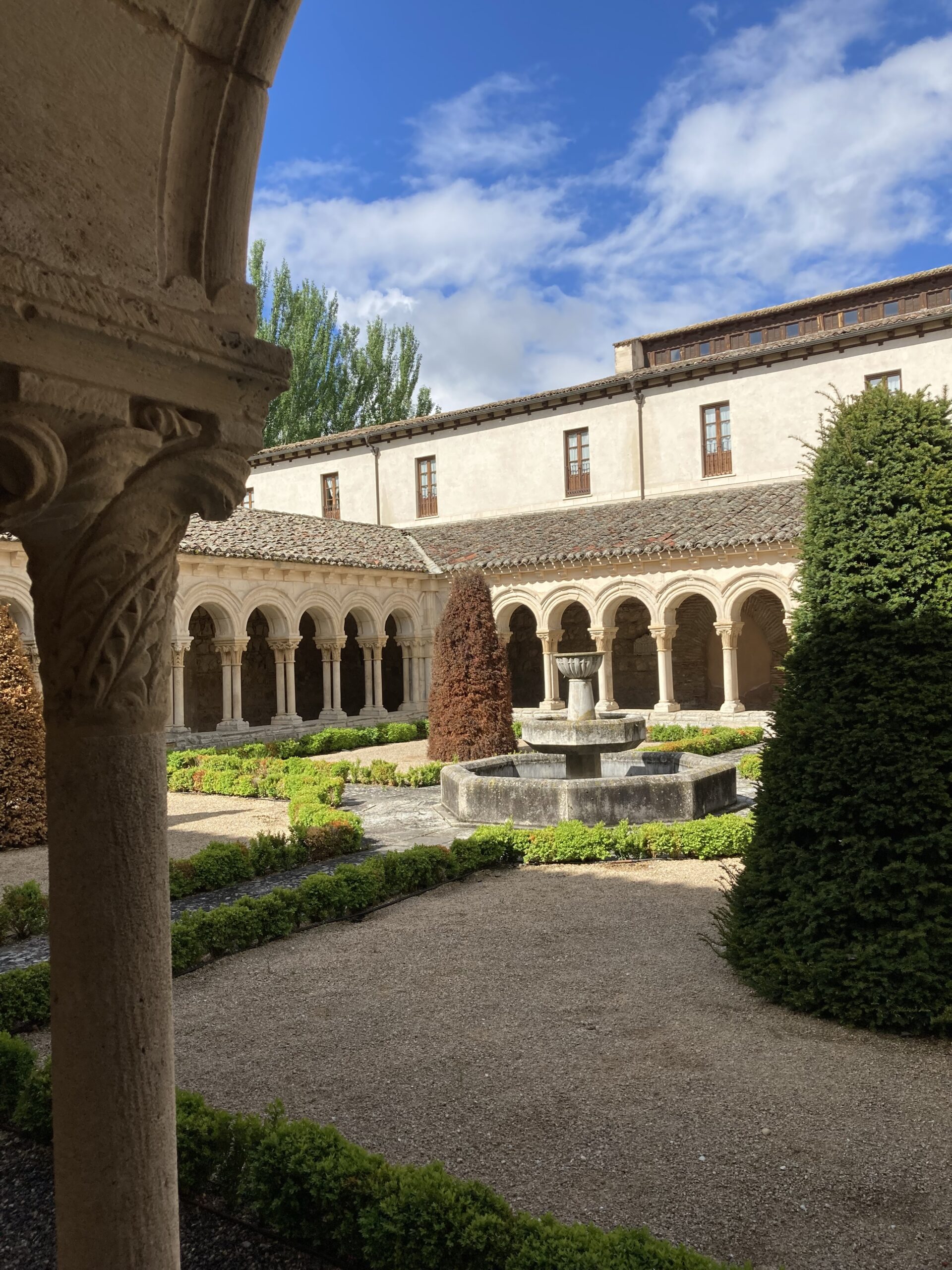
Founded by Castilian royalty, Las Huelgas’ serene Romanesque cloister breathes centuries of prayer, power, and contemplation — where silence, harmony, and medieval grandeur beautifully converge.
Hopper’s luminous watercolour captures Jo sketching quietly on Good Harbor Beach — a tender, intimate moment where two artists, sunlight, and the Atlantic shoreline beautifully converge.
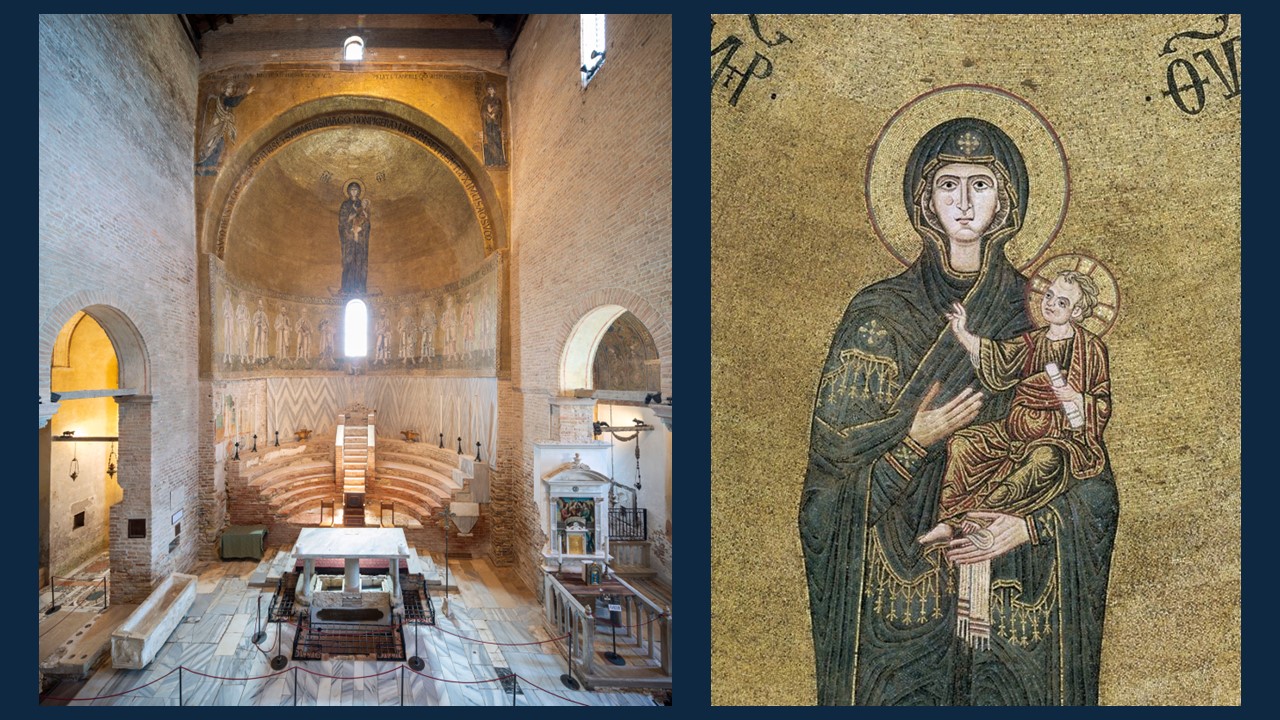
Torcello’s 11th-century Hodegetria mosaic — the Virgin and Apostles shimmering in eternal gold — crowns Venice’s oldest cathedral, a breathtaking Byzantine masterpiece Henry James never forgot.