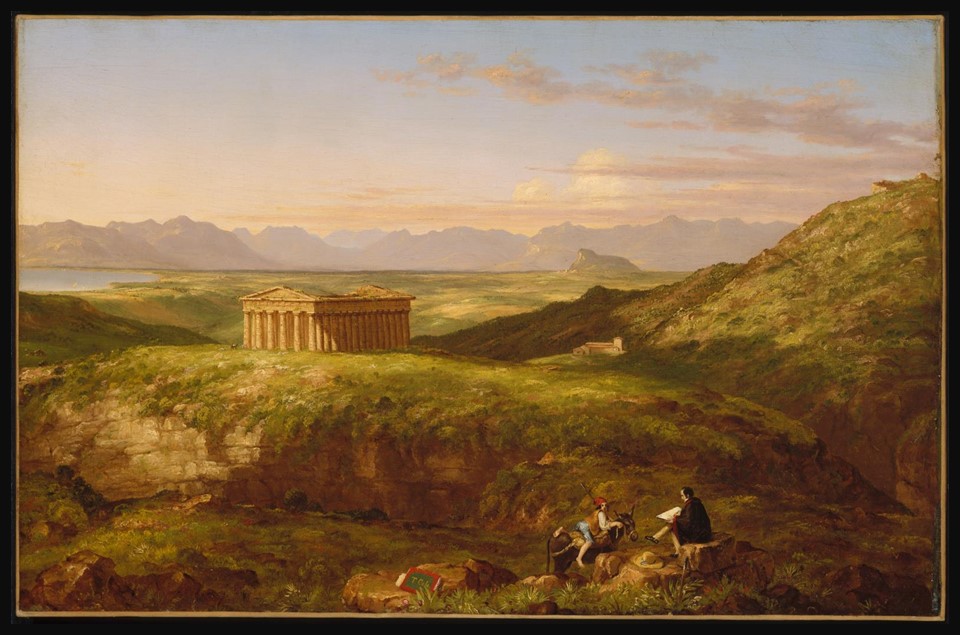
The Temple of Segesta by Thomas Cole
The Temple of Segesta merges ancient architecture with Romantic self-reflection, where landscape, antiquity, and the artist’s presence intertwine into a meditation on history, perception, and creative memory.
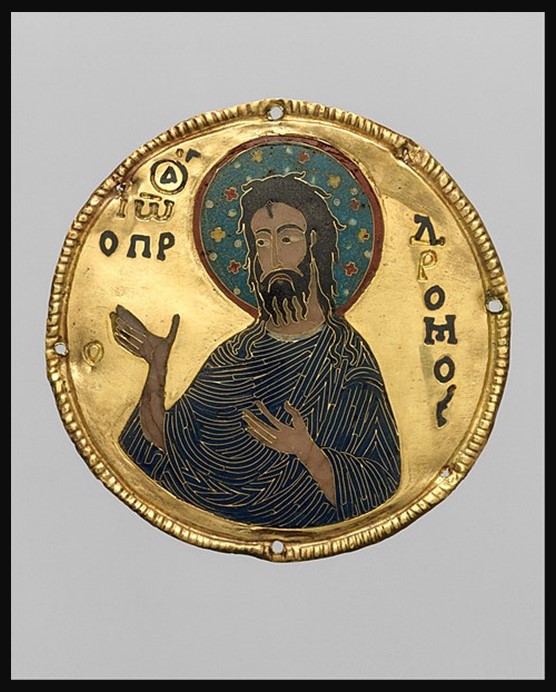
Gold Medallion of Saint John the Forerunner
Medallion of Saint John the Forerunner reflects Byzantine devotional artistry, where gold, enamel, and sacred portraiture converge to express intercession, spiritual hierarchy, and the solemn beauty of divine mediation.
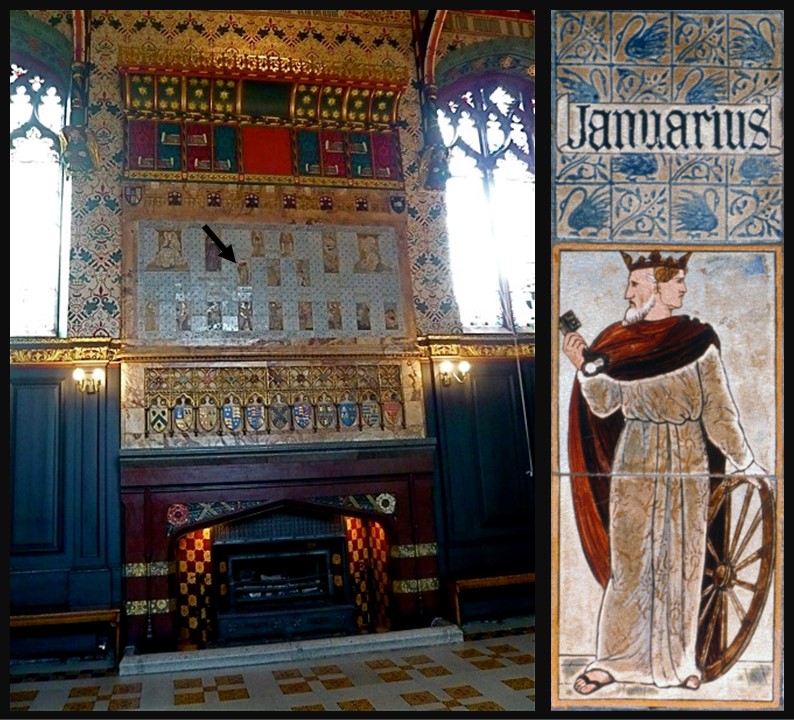
Fireplace Artistry and Overmantel Splendor at Queens’ College
At Queens’ College Old Hall, the Morris & Co. overmantel transforms medieval “Labours of the Months” into a richly symbolic Arts and Crafts cycle, blending seasonal life, medieval manuscripts, and decorative unity.
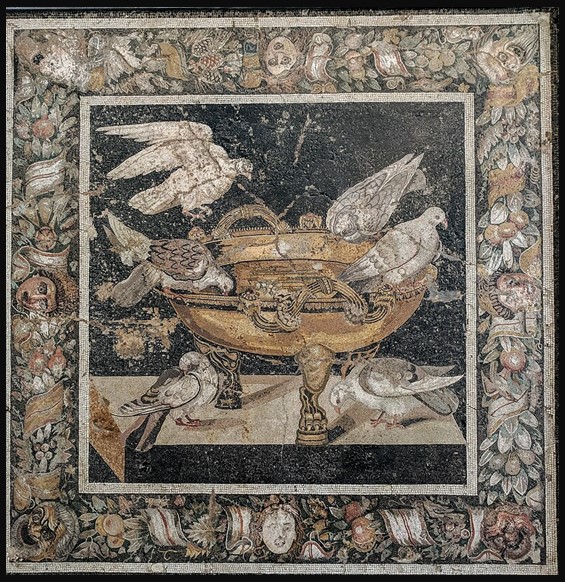
House of the Doves in Pompeii
At House of the Doves, the celebrated mosaic of doves evokes Hellenistic mastery and Plinian admiration, symbolising peace, renewal, and the delicate harmony of nature preserved in Roman domestic art.
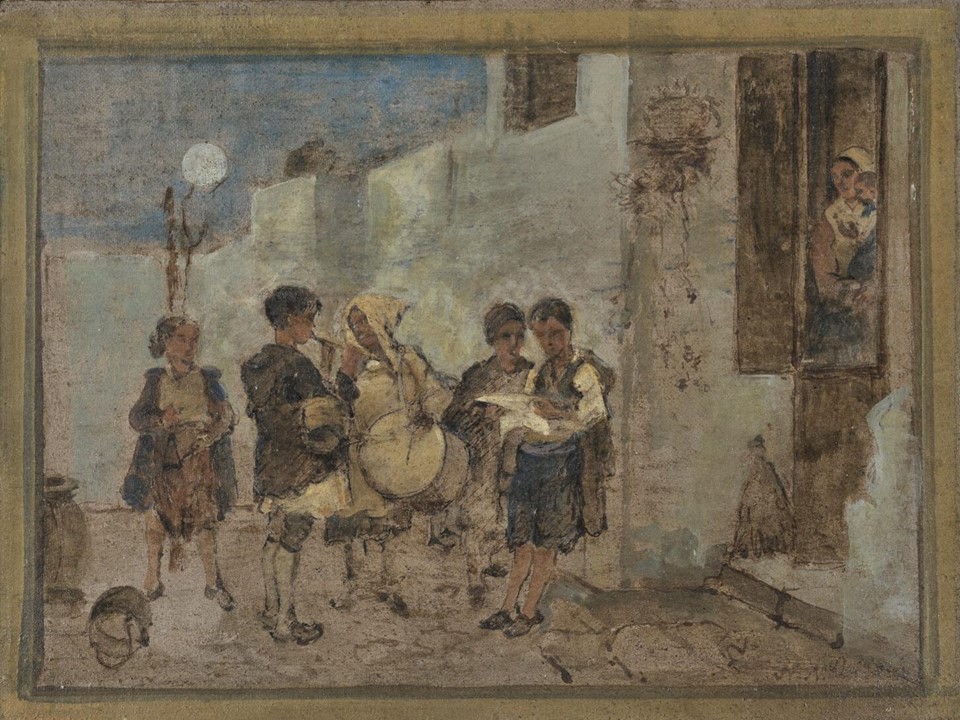
Study for Ta Kalanta by Nikephoros Lytras
In Study for Ta Kalanta, children singing carols evoke Greek festive tradition, uniting realism and symbolism in a warm, luminous scene of memory, community, and seasonal celebration.
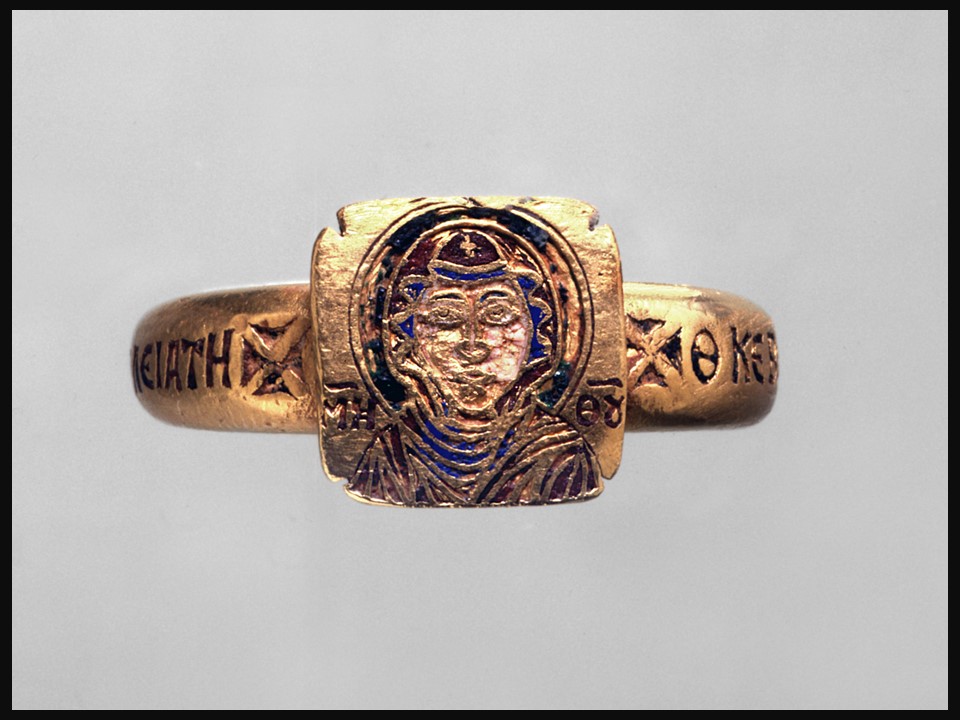
Michael Attaleiates’s Ring at Dumbarton Oaks
Ring of Michael Attaleiates, now at Dumbarton Oaks, unites inscription, portraiture, and devotion, revealing Byzantine identity through a rare personal object of prayer, status, and artistic refinement.
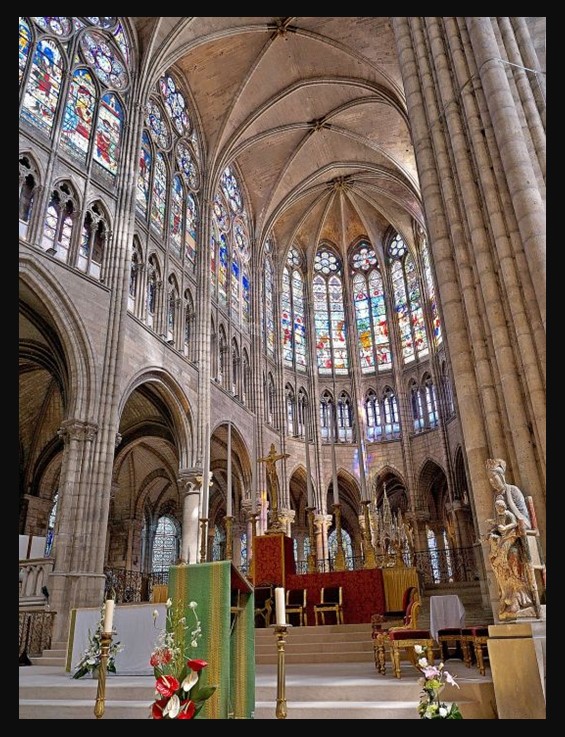
The Arts of the Gothic Period
At Stained Glass Rose Window of the North Transept of the Basilica of Saint Denis, Gothic art reaches its spiritual height, where coloured light, intricate tracery, and sacred narrative transform stone into an illuminated vision of divine aspiration.
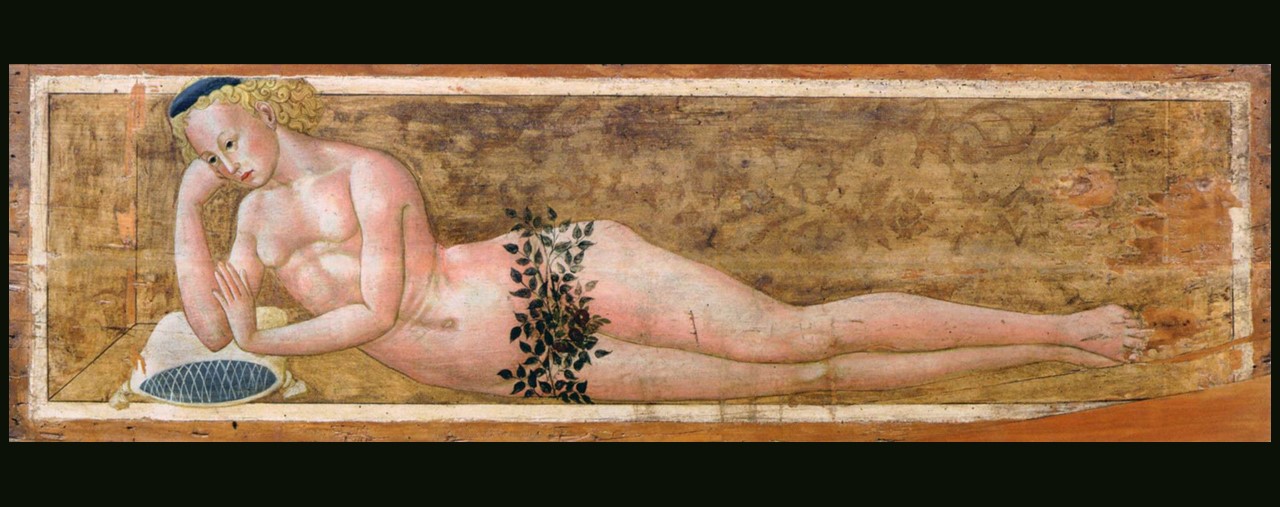
Lo Scheggia’s Reclining Youth
At Reclining Youth (cassone lid), Renaissance domestic art merges moral reflection and intimate beauty, where classical ideals and family values shape a serene image intended to adorn and elevate everyday life.
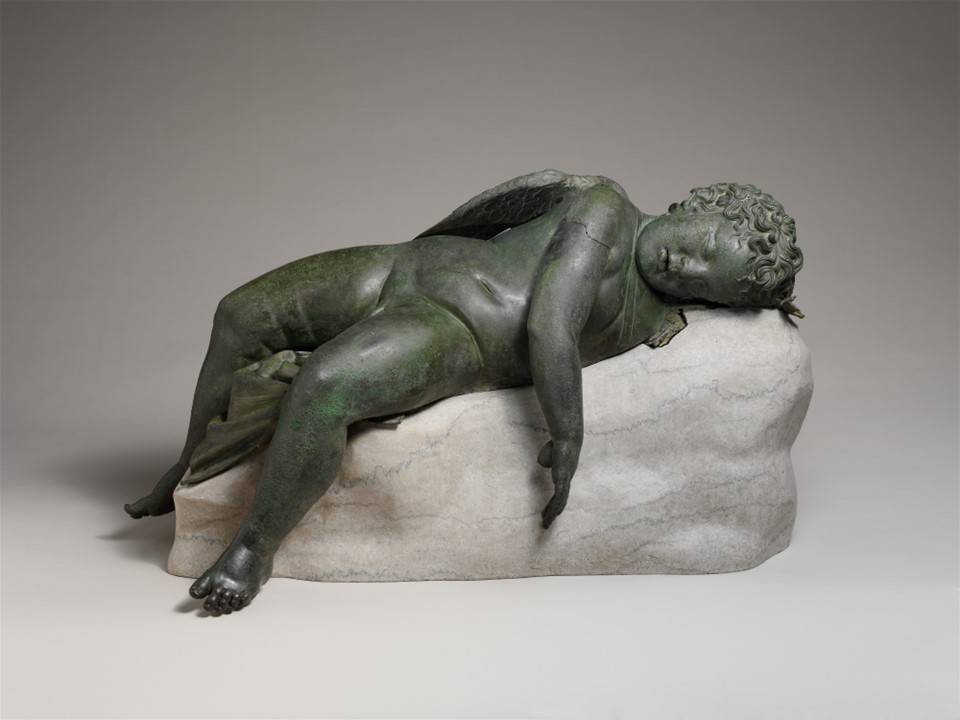
Sleeping Eros
At Sleeping Eros, love is rendered as vulnerable rest rather than force, transforming myth into intimate naturalism where divine desire becomes human, tender, and quietly suspended in sleep.
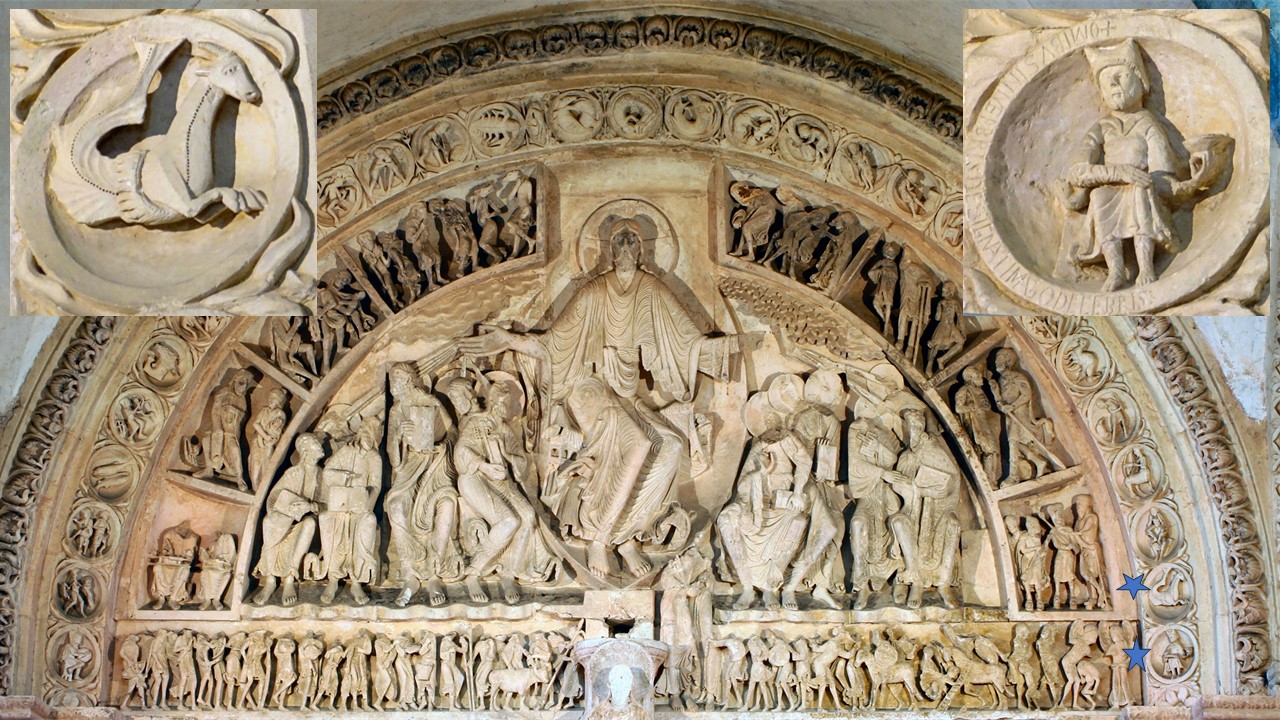
Abbey of Vézelay
Discover the magnificent tympanum of Vézelay’s Abbey Church — a Romanesque masterpiece blending Christ, the Apostles, zodiac signs, and the peoples of the world in one breathtaking sculpted portal.