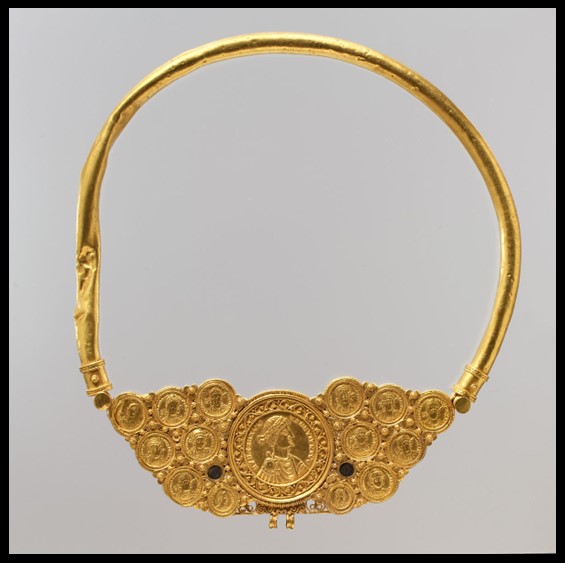
Pectoral with Coins and Pseudo-Medallion
Explore the opulent Byzantine Imperial Neck Ring at the Met — a breathtaking gold pectoral adorned with coins and medallions, symbolising power, faith, and the grandeur of Byzantine imperial authority.
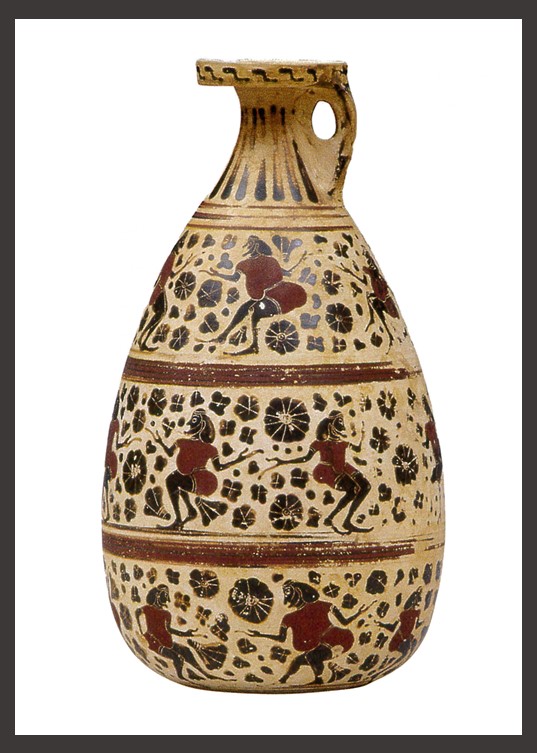
Corinthian Alabastron
Discover the exquisite Corinthian Alabastron at Athens’ Canellopoulos Museum — a beautifully decorated Orientalizing period masterpiece, adorned with mythological komasts and lush floral motifs, showcasing ancient Greece’s extraordinary ceramic artistry.
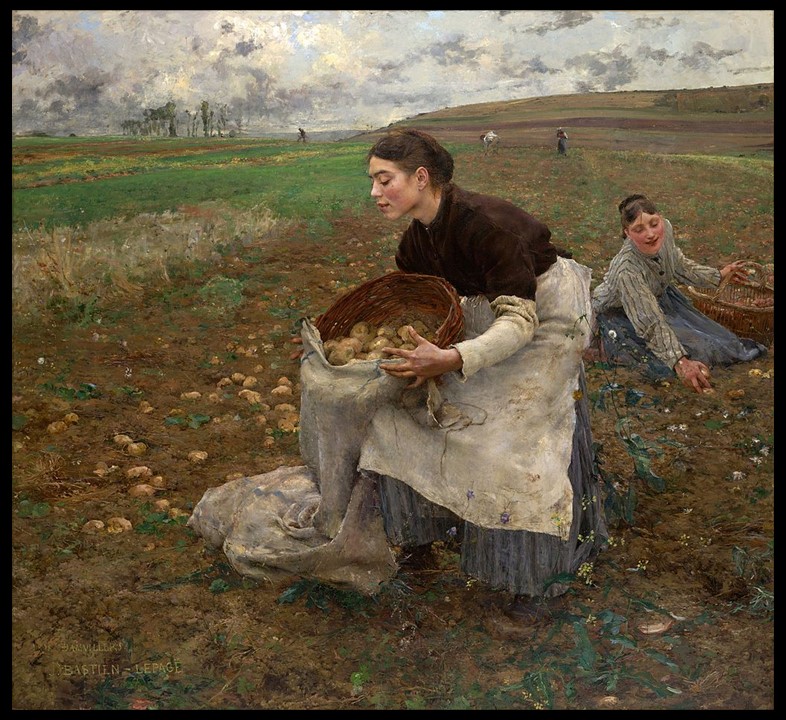
October by Jules Bastien-Lepage
Discover Jules Bastien-Lepage’s powerful October — a dignified Naturalist masterpiece capturing the bleak beauty of the autumn potato harvest, rendered with breathtaking honesty, vigour, and deep respect for rural life.
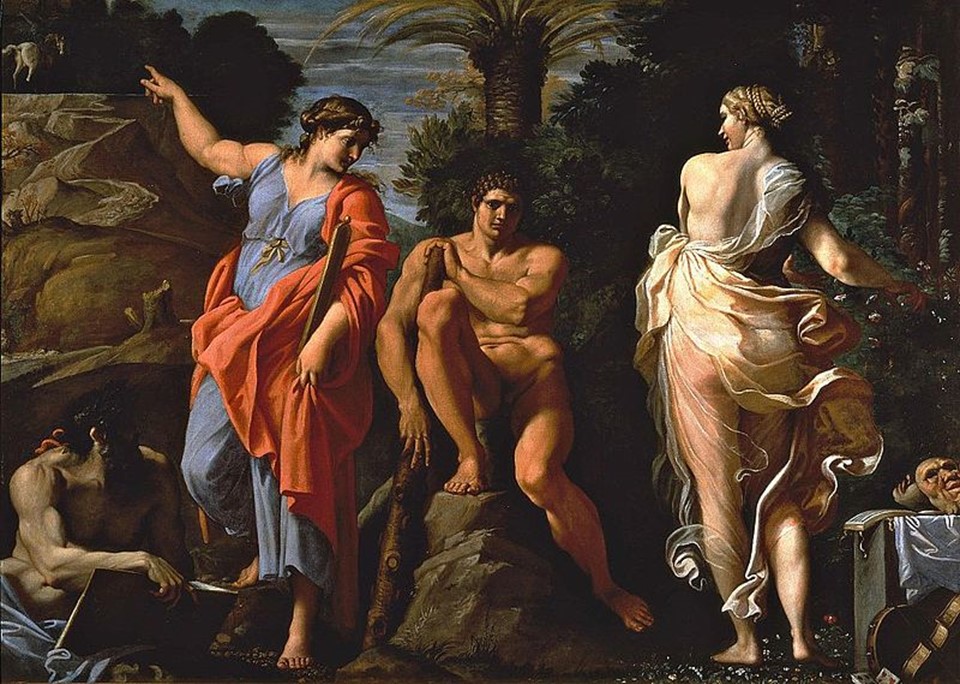
The Choice of Heracles by Annibale Carracci
Explore Annibale Carracci’s compelling Choice of Heracles — a masterful Baroque canvas where Virtue and Pleasure compete for a young hero’s soul, posing antiquity’s most timeless moral question with breathtaking artistry.
Brunelleschi vs. Ghiberti
Relive the legendary 1401 Florence Baptistery competition — where Ghiberti’s gilded genius triumphed over Brunelleschi’s brilliance, launching one of the Renaissance’s most captivating artistic rivalries, as told by Vasari himself.
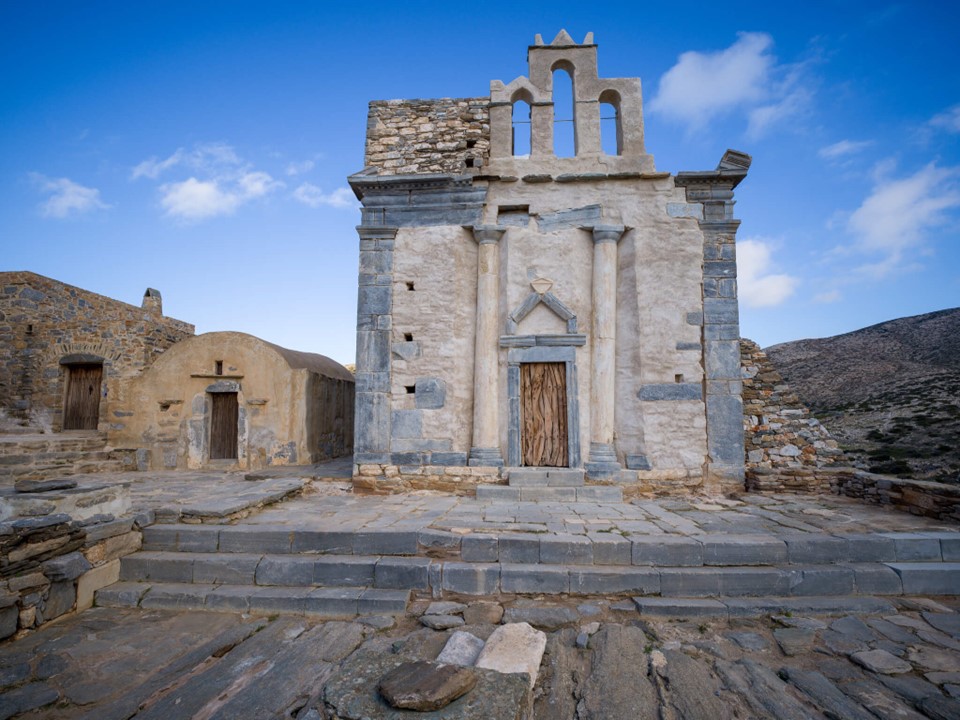
The Monument of Episkopi on Sikinos
Discover Sikinos’ remarkable Episkopi Monument — a rare Roman mausoleum transformed into a Byzantine church, recently restored to reveal hidden inscriptions, ancient frescoes, and a sealed aristocratic burial of extraordinary significance.
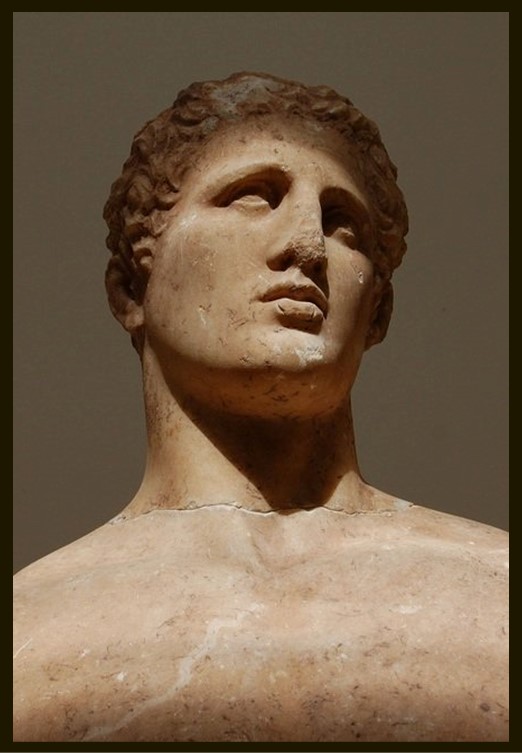
Agias Son of Aknonios
Marvel at Agias of Delphi — a masterpiece from the Daochos Monument, possibly linked to sculptor Lysippos, immortalising a legendary Thessalian pankration champion with restless elegance and timeless athletic nobility.
The Dance by Matisse at the Barnes Foundation
Explore Matisse’s monumental The Dance at the Barnes Foundation — a triumphant return to modernist boldness, where sweeping figures across pink and blue fields reignited a great master’s creative genius.
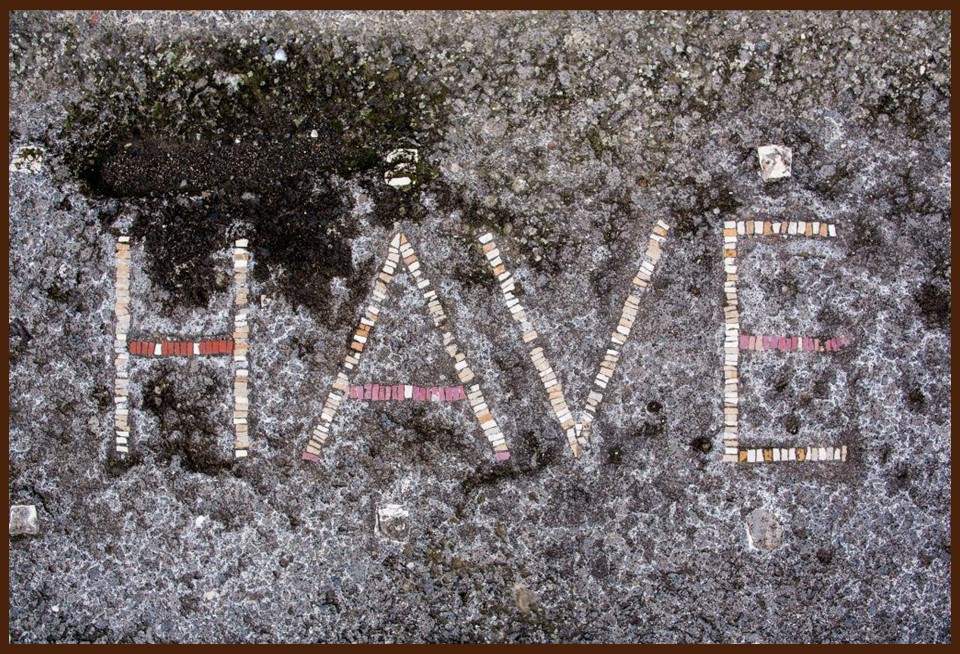
House of the Faun
The House of the Faun in Pompeii, built around 180 BC, showcases Roman luxury with vast space, elegant architecture, and remarkable mosaics, including the famed Alexander Mosaic and welcoming “HAVE” inscription.
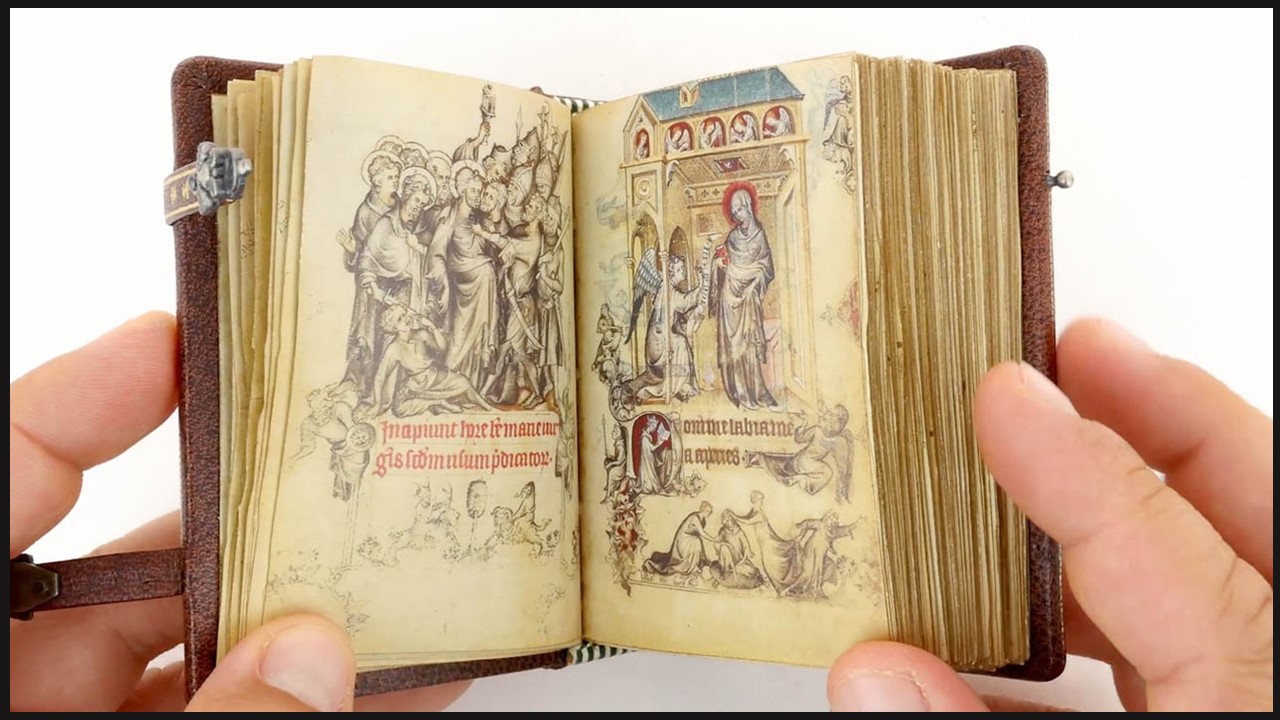
The Hours of Jeanne d’Evreux Queen of France
Created for Queen Jeanne d’Evreux, this tiny 14th-century Book of Hours dazzles with refined grisaille miniatures, lively marginal scenes, and intimate devotional imagery, reflecting the elegance and culture of medieval Paris.