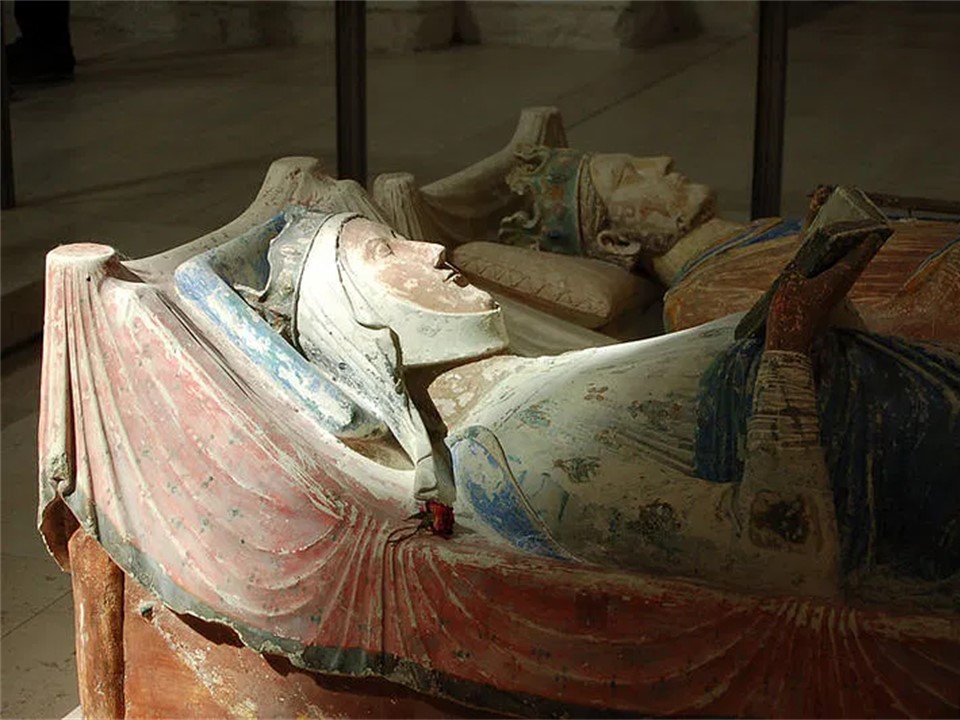
Eleanor of Aquitaine
On International Women’s Day, Eleanor of Aquitaine emerges as a powerful medieval queen—intellectual, patron of the arts, crusader, and political force shaping France and England’s history and culture.
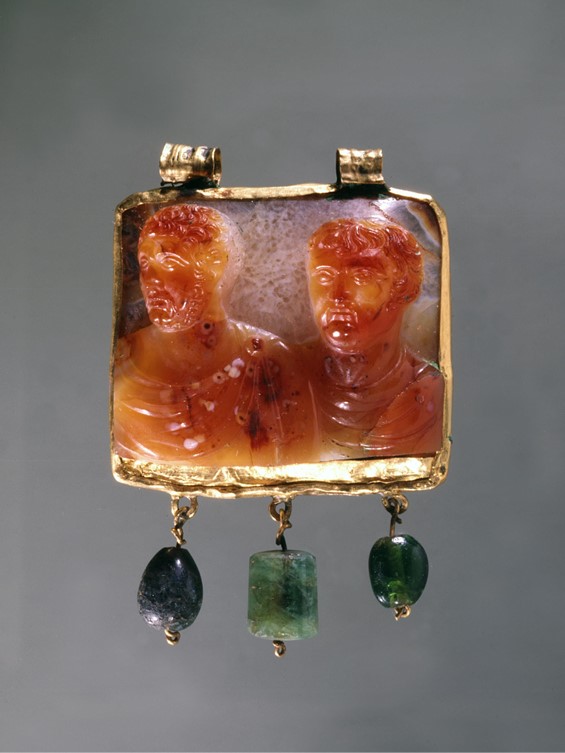
Cameo of two Emperors
A rare Tetrarchic cameo from Dumbarton Oaks shows two emperors rendered with striking symmetry, symbolizing Diocletian’s vision of imperial unity and concord across a divided Roman Empire.
The Twelve Months of Flowers, March
George Ellis’s playful “Snowy, Flowy, Blowy…” mirrors the botanical elegance of Casteels, Fletcher, and Furber’s Twelve Months of Flowers, where March blossoms into a meticulously numbered catalogue of nature and commerce.
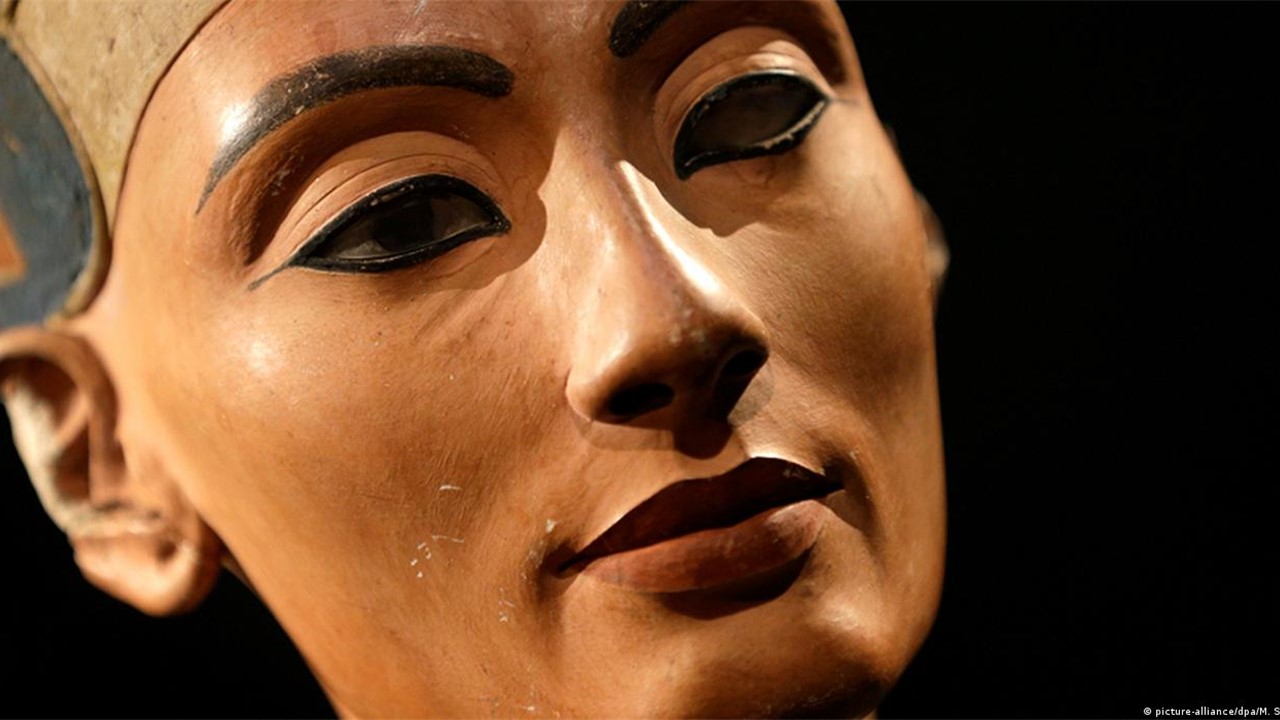
The Art of the Amarna Period
Amarna art under Akhenaten breaks with tradition, showing stylised yet intimate royal imagery, focusing on everyday life, sunlight, and family scenes, creating a strikingly human and emotionally vivid Egyptian artistic moment.
Diana and her Companions by Vermeer
Homer’s Artemis and Vermeer’s Diana and her Companions share a quiet fascination with divine femininity, hunting, and stillness—translating myth into atmosphere, where movement becomes suspended light and contemplative presence.
![Tomb of Ramose, 18th Dynasty, c. 1350 BC, Vizier of Amenhotep III, Western Thebes, Egypt - Two male guests… the man in front is "the overseer of the hunters of [Amun], Keshy". The one in the back is unknown. In front of them is Werel, the “Mistress of Goddess](https://www.teachercurator.com/wp-content/uploads/2023/02/7-NewKing-TombsFrescoes-Ramose-JPEG.jpg)
New Kingdom Rock Cut Tombs
New Kingdom Theban tombs combine rock-cut architecture with painted chapels, where scenes of daily life and religious texts express both elite status and enduring hopes for a successful afterlife.
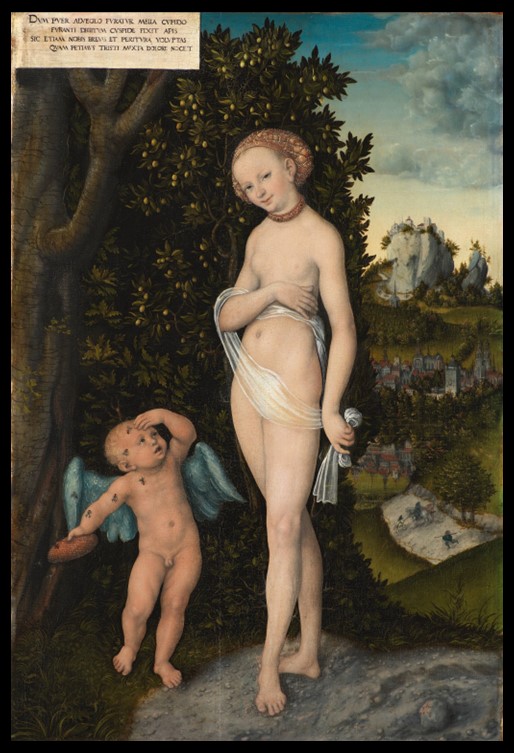
Eros and the Bee
Theocritus’ playful tale of Eros stealing honey—only to be stung—becomes, in Cranach’s paintings, a moral allegory on desire, pleasure, and the painful consequences hidden within sweetness and beauty.
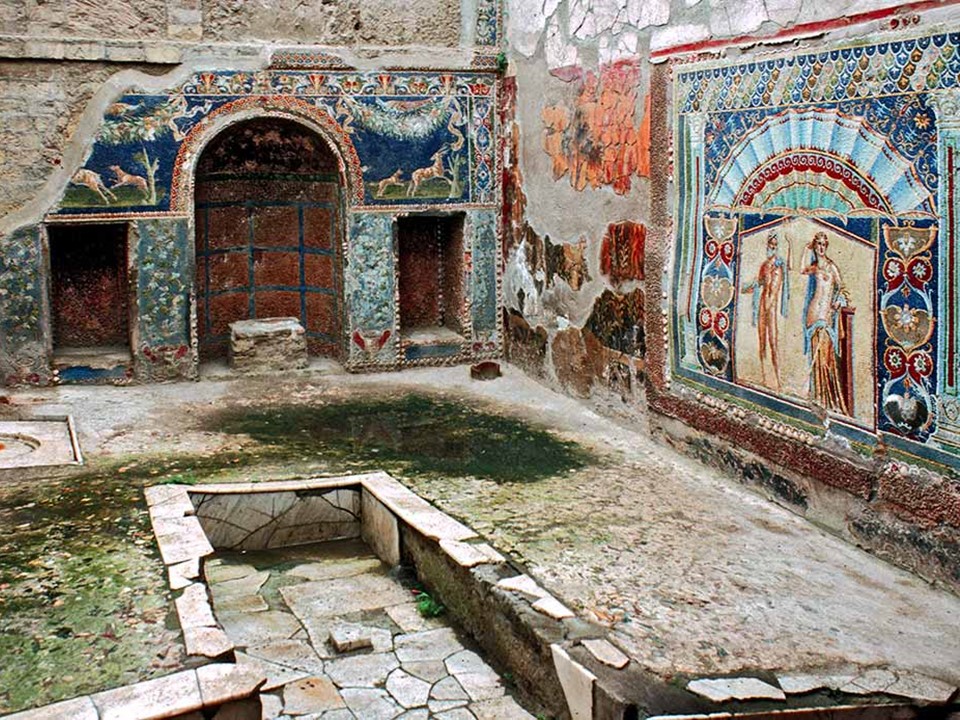
Astragaloi Players
Ovid’s Niobe, turned to stone by grief after Apollo and Artemis punish her pride, finds an unexpected prelude in the Herculaneum Astragaloi Players, where myth, innocence, and fate quietly converge before catastrophe.
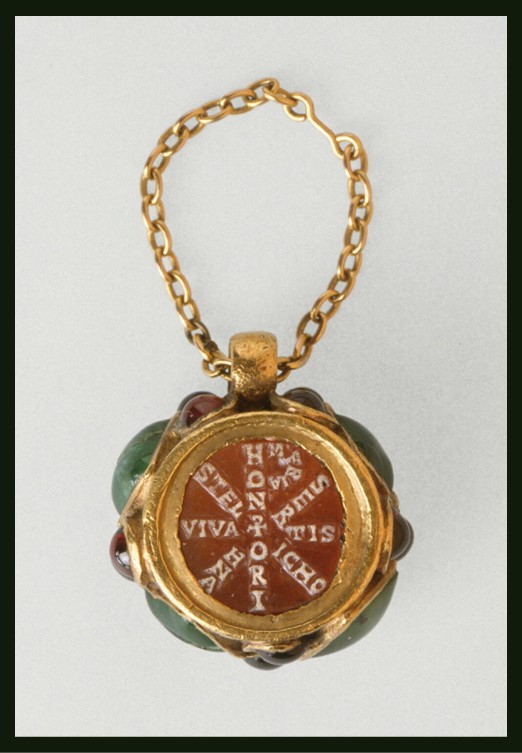
The Enkolpion of Empress Maria
The Enkolpion of Empress Maria can indeed be read as an object where private devotion and public dynastic messaging converge: a jewel-like reliquary that compresses Theodosian family identity, Christian legitimacy, and political continuity into a portable emblem of Late Antique power and sanctified lineage.
Teika’s Poems for the Twelve Months presented by Tosa Mitsunari
Fujiwara Teika was a leading medieval Japanese poet and theorist whose waka shaped imperial anthologies and poetic taste for centuries, later visually reinterpreted in Edo-period screen paintings like Mitsunari’s “Twelve Months,” where verse and image merge into a unified seasonal meditation.