Amphora showing Athena and Hermes
The amphora attributed to Berlin Painter at Yale University Art Gallery depicts Athena and Hermes, exemplifying refined red-figure elegance and compositional clarity.
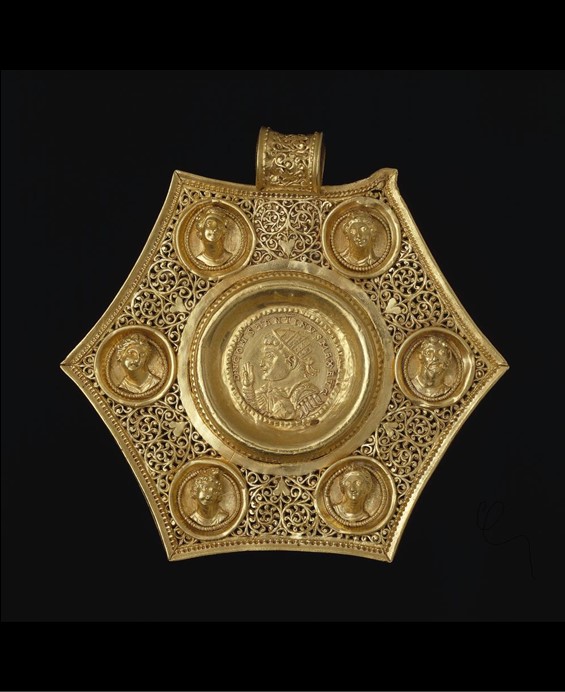
Gold Coin Pendant of Constantine the Great
The gold coin pendant of Constantine the Great in the British Museum celebrates his 321 consulship, combining imperial portraiture, dynastic imagery, and intricate opus interrasile goldwork.
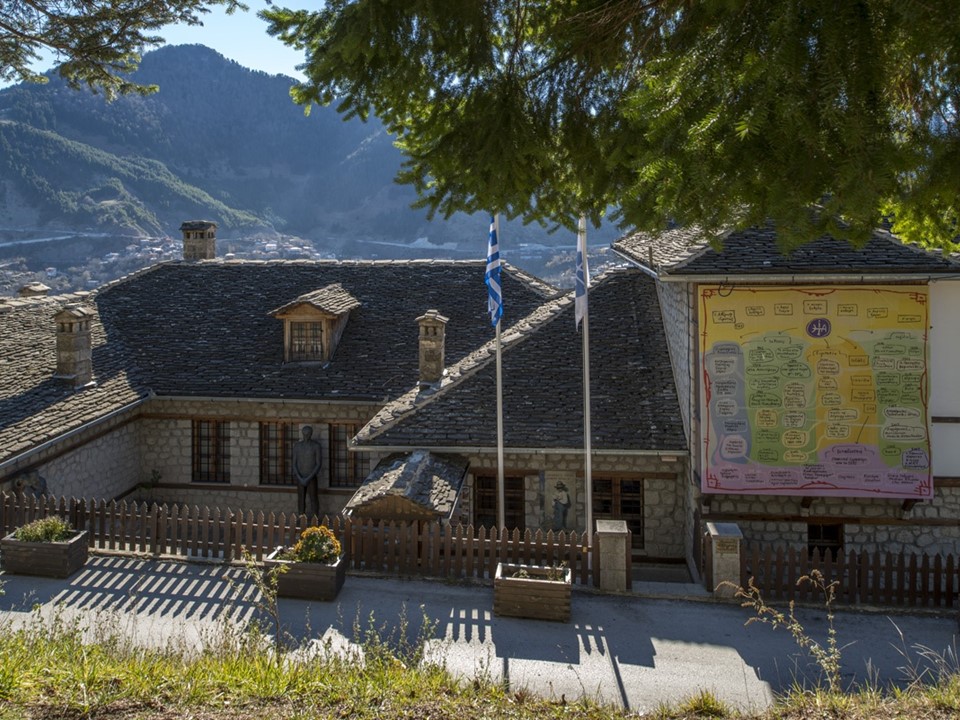
Garden in Corfu by Angelos Giallinas
Angelos Giallinas, a master of atmospheric landscape painting, captured Corfu and Mediterranean scenes with luminous sensitivity, blending precise draftsmanship with the delicate spontaneity of watercolour.

Teaching with Antonello da Messina
Antonello da Messina, inspired by Flemish oil painting, became a pioneering Italian innovator, blending Northern technique with Mediterranean sensibility, creating luminous, emotionally powerful sacred images that transformed Renaissance painting.
Mother’s Day
Motherhood in art, from Mary Cassatt to Kitagawa Utamaro, reveals intimate, universal bonds of tenderness, care, and love across cultures and centuries.
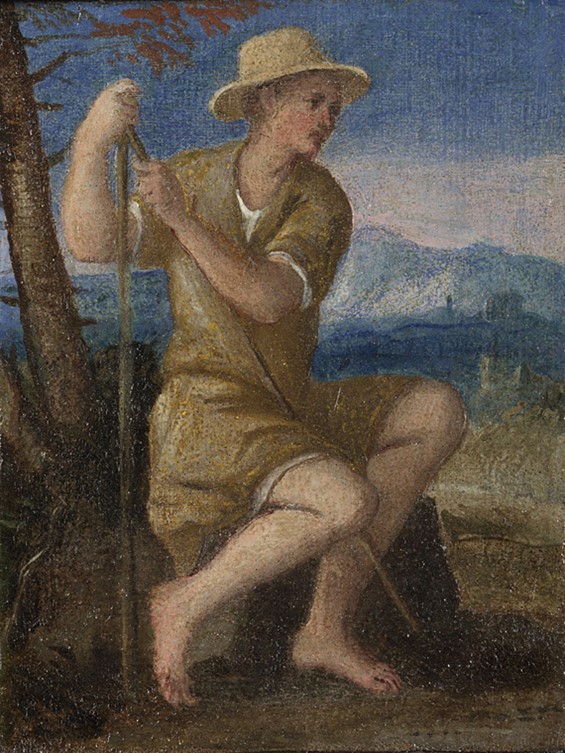
The Labours of the Months: May
The Venetian Labours of the Months series in the National Gallery, London presents miniature Renaissance scenes of rural life, with May showing a young man preparing agricultural supports in a symbolic, seasonal rhythm.
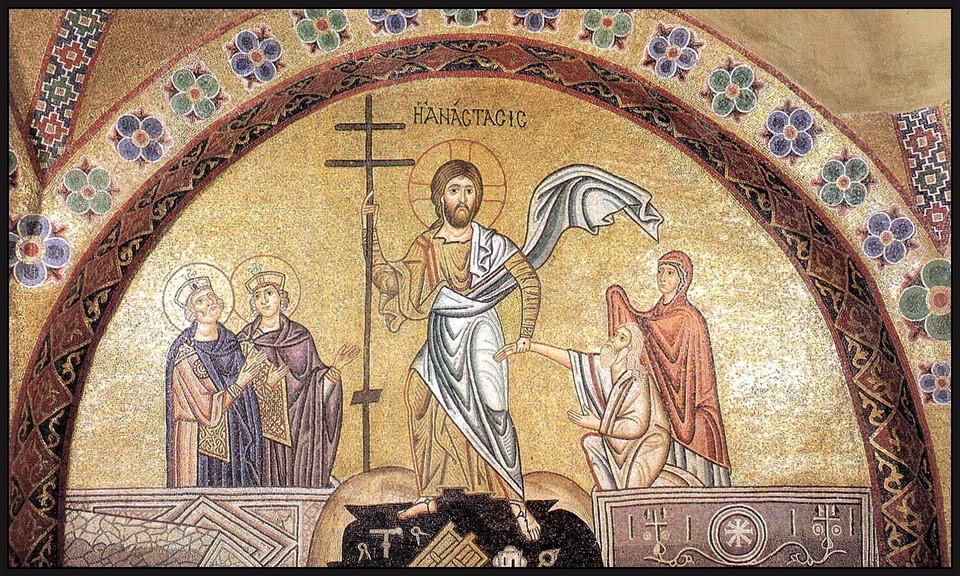
Anastasis at the Monastery of Hosios Loukas
The Anastasis mosaic at the Monastery of Hosios Loukas presents the Resurrection as Christ descends into Hades, a masterpiece of 11th-century Byzantine mosaic art radiating spiritual intensity and imperial grandeur.
The Raising of Lazarus by Duccio
The Maestà of Duccio di Buoninsegna, a monumental altarpiece for Siena Cathedral, bridges Byzantine tradition and emerging Renaissance naturalism in a profoundly devotional visual language.
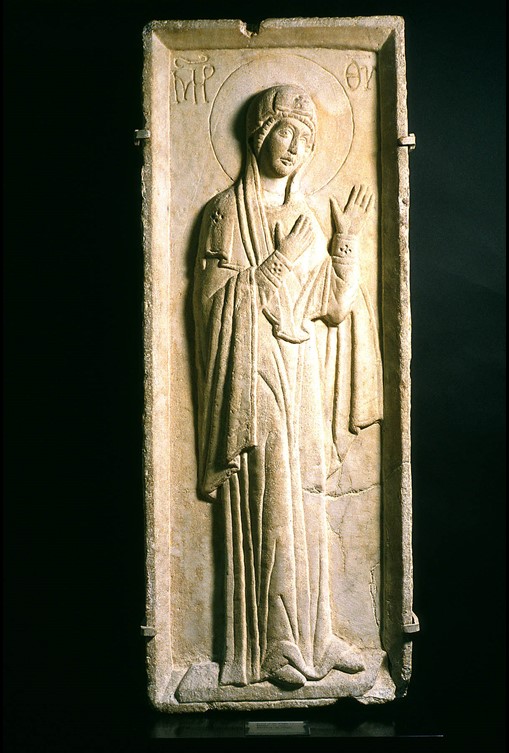
The Interceding Theotokos at Dumbarton Oaks
Interceding Theotokos - Virgin Hagiosoritissa Relief, Middle Byzantine, mid-eleventh century, Marble, 104 cm x 40 cm x 7 cm, Dumbarton Oaks Museum, Washington, DC, USA https://www.doaks.org/resources/bliss-tyler-correspondence/art/bz/BZ.1938.62.jpg/view ...
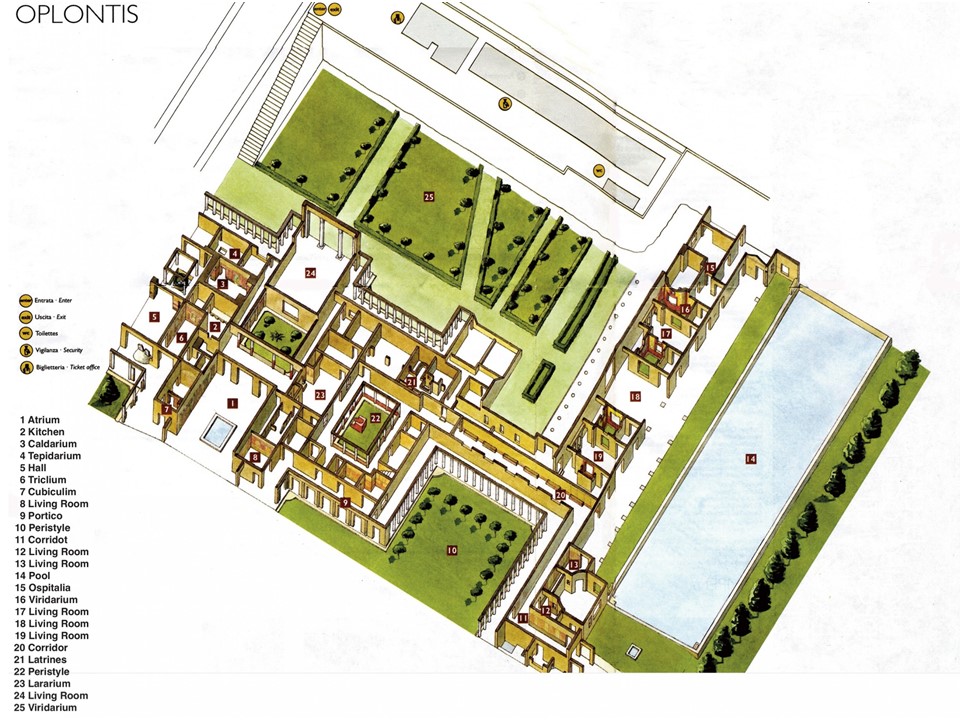
Villa Poppaea Viridarium Frescoes
Second Pompeian Style painting on the walls surrounding the Viridarium (small garden) of the Villa Poppaea at Oplontis (Italy), 1st century ADPhoto credit: Carole Raddato published on 06 May 2020https://www.ancient.eu/article/1552/a-visitors-guide-to-opl ...